

If you’ve ever wandered through a Korean market or sat down at a bustling street food stall in Seoul, you might have encountered the intriguing and delicious Korean Blood Sausage (Sundae) Recipe. I absolutely love this recipe because it’s not just a sausage—it’s a flavorful, hearty dish packed with unique textures and Korean heritage. If you’re curious about how to bring this iconic street food into your own kitchen, stick with me. I’ll walk you through everything you need to know to make authentic sundae from scratch, plus share little tricks I learned along the way!
Why You’ll Love This Recipe
- Deeply Authentic: This sundae recipe brings together classic Korean ingredients and methods that honor centuries-old traditions.
- Textural Delight: You’ll enjoy the perfect balance between chewy noodles, tender rice, and rich, flavorful blood sausage casing.
- Impress Your Guests: It’s one of those dishes that sparks curiosity and admiration at any dinner party!
- Step-by-Step Guidance: Plus, I share personal tips so you avoid common pitfalls and get perfect results every time.

Ingredients You’ll Need
When I first tried making Korean Blood Sausage (Sundae) Recipe, I was surprised how these simple ingredients come together into something so fascinatingly rich. The pork intestine is your natural casing and the stuffing combines rice, noodles, and earthy flavors from sesame oil and garlic. Here’s what to look for at the grocery or Asian market for the best flavor:
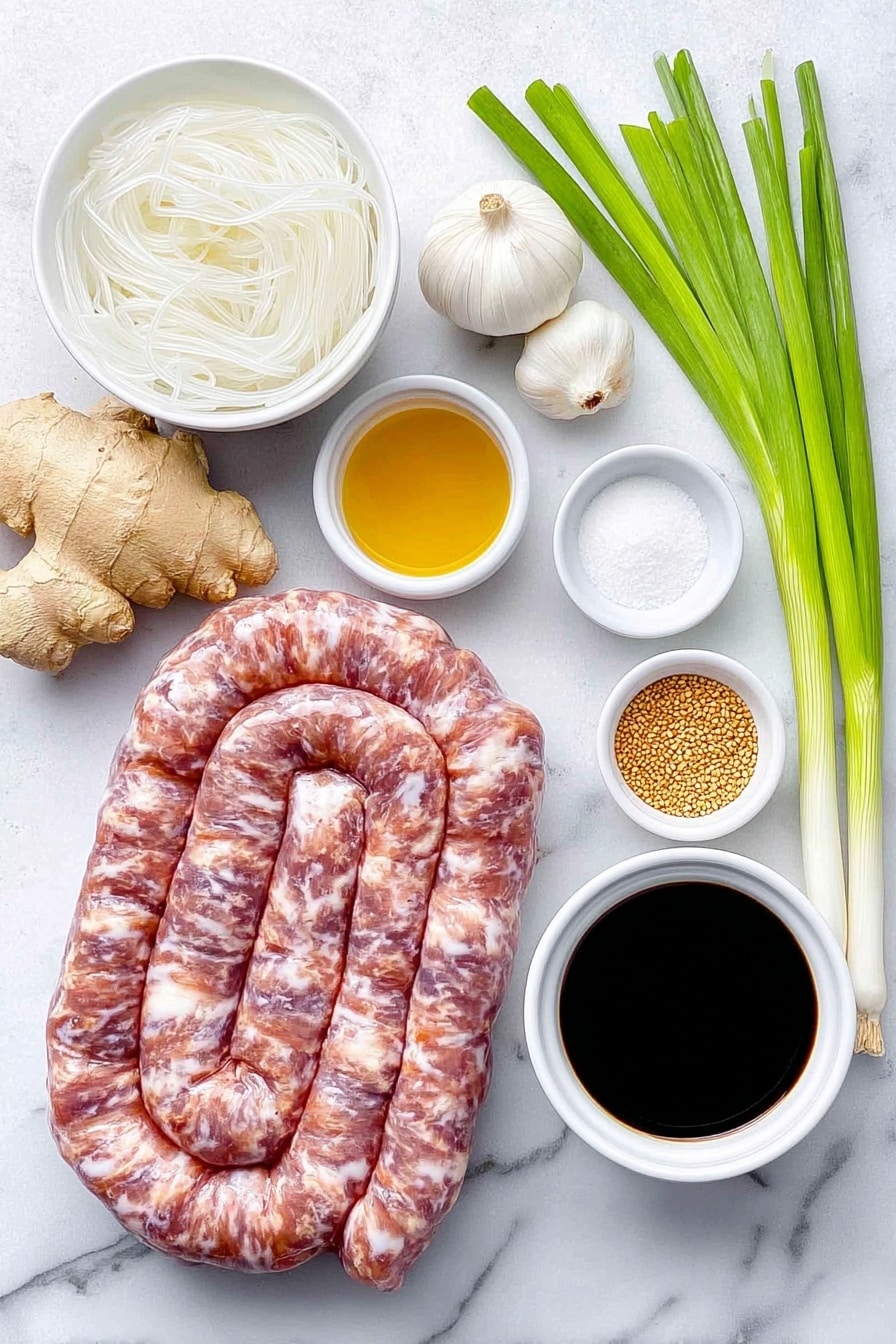
- Pork small intestine: Make sure it’s very fresh and well-cleaned; soaking with a bit of salt helps with any residual smell.
- Sweet Rice: Use the glutinous variety (also called sticky rice) for that chewy, satisfying texture.
- Sweet potato starch vermicelli: Soak until soft and chop roughly; this adds that classic French fry-like chew that’s necessary.
- Garlic cloves: Freshly minced garlic brings a punch of flavor that balances the richness well.
- Fresh ginger: Adds a warm, slightly spicy note to brighten the mix.
- Salt and pepper: Basic but essential seasonings to make sure every bite is perfectly seasoned.
- Korean toasted sesame oil: This aroma is everything—you won’t want to skip it.
- Sesame seeds: Toast them until golden for a nutty depth that really elevates the stuffing.
- Scallions: Finely chopped scallions add freshness and a mild oniony crunch.
- Beef or pork blood: The star ingredient that gives sundae its signature richness and color.
Variations
I’ve played around with this Korean Blood Sausage (Sundae) Recipe enough to know it’s perfectly suited to a few tasty modifications—because food should be fun and flexible, right? Here are a few of my favorite spins you might want to try:
- Vegetarian Sundea (Sort of!): Using soy blood or beet juice to get that deep color and combining with mushrooms instead of meat is a creative experiment I tried, and it worked surprisingly well!
- Spicy kick: Some like to add finely chopped kimchi or a touch of gochugaru (Korean red chili flakes) to the stuffing—my family goes crazy for the extra heat.
- Small batch version: Instead of long sausages, try making mini sundae bites for appetizers or parties; it’s easier to handle and great finger food.
How to Make Korean Blood Sausage (Sundae) Recipe
Step 1: Preparing the Rice and Noodles
Start by soaking the sweet rice in water for about 30 minutes, rinsing it well until the water runs clear. This removes excess starch and prevents clumping. Then cook the rice—either in a rice cooker with slightly less water than usual, or on the stove by simmering gently for about 45 minutes. Meanwhile, soak the sweet potato starch vermicelli in lukewarm water until soft, then chop roughly. These two ingredients form the chewy heart of the sundae stuffing, so careful prep here makes all the difference.
Step 2: Cleaning and Preparing the Intestines
Cleaning the pork intestine can feel intimidating if you haven’t done it before, but trust me—it gets easier. Rinse through one end with warm water, gently squeezing out any residue. Then soak in a mild salt-water bath for about an hour; this helps neutralize odors and firms up the casing. You can either keep the intestines whole (about 3 feet) or cut into manageable 1-foot sections—whichever feels easier to handle. Tie one end tightly with cotton string to prepare for stuffing.
Step 3: Mixing the Stuffing
Toast sesame seeds over medium-high heat until golden and fragrant—this step always fills my kitchen with the most amazing aroma! Use a mortar and pestle to crush them, then combine with minced garlic, finely chopped ginger, toasted sesame seeds, chopped scallions, cooked rice, softened vermicelli, salt, pepper, sesame oil, and the liquid blood in a large bowl. Mix everything thoroughly but gently, making sure you don’t mash the rice or noodles too much. This balance is what creates the doughy, slightly chewy stuffing of sundae.
Step 4: Stuffing and Securing the Intestines
Using a funnel or sausage stuffer, carefully fill the intestine casing with the stuffing. Go easy—packing it too tightly can cause the sausage to burst during cooking. Once filled, tie off the open ends with cotton string. This step can feel fiddly but take your time. I found that leaving a little wiggle room inside the casing helped avoid cracks later while boiling.
Step 5: Cooking the Sundae
Place the stuffed sausages gently into a pot filled with salted water—about a teaspoon of salt per quart of water is the right ratio. Bring to a boil uncovered, then reduce heat and simmer for roughly 45 minutes. Don’t cover the pot because it could cause the sausages to crack from steam pressure. To check doneness, poke a toothpick or skewer into the sausage—if it comes out clean, your sundae is perfectly cooked! Let it cool down a bit before slicing and serving.
Pro Tips for Making Korean Blood Sausage (Sundae) Recipe
- Don’t Overstuff: I learned the hard way that filling the casing too tight will cause cracks during boiling, so leave some breathing room inside.
- Toast Sesame Seeds Fresh: Toasting and crushing sesame seeds right before mixing really brightens the flavor beyond using pre-ground ones.
- Gentle Simmering: Keep the heat low once boiling has started; a rolling boil will tear your sundae apart.
- Check Doneness Properly: Use a thin skewer to test the sausage inside—this foolproof check ensures it’s fully cooked but still juicy.
How to Serve Korean Blood Sausage (Sundae) Recipe

Garnishes
I always serve sundae warm, sliced thick, with a simple dipping sauce made from salt, cracked black pepper, and a good dollop of fermented chili paste—gochujang. The salty-peppery dip perfectly complements the rich flavors inside the sausage. A sprinkle of toasted sesame seeds and chopped scallion on top adds a fresh crunch and visual appeal.
Side Dishes
Traditionally, sundae pairs wonderfully with spicy tteokbokki (Korean rice cakes) or tangy kimchi. When I serve this at home, I like mild pickled radishes alongside for a crisp, acidic counterbalance. A bowl of warm, simple broth or doenjang jjigae (fermented soybean paste stew) can really round out the meal.
Creative Ways to Present
For special occasions, I’ve sliced sundae into bite-sized rounds and served them on a large platter with colorful dipping sauces—soy with garlic, spicy gochujang mayo, and sesame oil with salt. Garnishing with fresh herbs like cilantro or microgreens adds an unexpected fresh pop and sophistication that always wows guests.
Make Ahead and Storage
Storing Leftovers
I store any leftover Korean Blood Sausage wrapped tightly in plastic wrap inside an airtight container in the fridge. It keeps for about 2-3 days without losing too much moisture. When you slice it right before serving, it feels just as fresh!
Freezing
I’ve frozen sundae successfully by wrapping each sausage section separately in plastic wrap plus foil before placing in a freezer bag. When frozen this way, it keeps for up to 3 months. Just thaw overnight in the fridge before reheating—no need to cook again.
Reheating
To reheat, I prefer gently steaming or warming sundae in a pan with a lid over low heat. This prevents drying out and helps it maintain its tender, juicy texture. Microwave works in a pinch but can sometimes toughen the casing.
FAQs
-
What is Korean blood sausage (sundae)?
Korean blood sausage, or sundae, is a traditional Korean street food made by stuffing pig intestines with a mixture of sweet rice, noodles, seasonings, and pig or beef blood. It’s boiled and served warm with dipping sauces and is enjoyed for its unique texture and rich flavor.
-
Can I use store-bought sausage casings instead of pig intestines?
Yes, you can use synthetic sausage casings, but authentic sundae mainly uses fresh pork intestines for the traditional chewy texture and flavor. If you choose synthetic casings, expect a slightly different mouthfeel.
-
Is Korean blood sausage safe to eat?
Absolutely, when prepared and cooked properly. The sausage is boiled thoroughly, and the blood is liquid from a safe, trusted source. Make sure to follow hygiene steps carefully, especially cleaning the intestines well.
-
How do I serve sundae traditionally?
It’s often sliced and served warm with a dipping sauce of salt and pepper, sometimes with gochujang, alongside side dishes like kimchi, pickled radish, or spicy rice cakes.
Final Thoughts
This Korean Blood Sausage (Sundae) Recipe has become one of those special dishes in my kitchen that always sparks conversation. It’s a bit of an adventure to make from scratch, but the payoff is so worth it. I love how it invites you to slow down and savor every bite, and it’s a dish that brings a little bit of Korean street food magic home. Give it a try—you’re going to find that it’s as rewarding to make as it is delicious to share!
Print
Korean Blood Sausage (Sundae) Recipe
- Prep Time: 45 minutes
- Cook Time: 2 hours
- Total Time: 2 hours 45 minutes
- Yield: 6 to 8 servings 1x
- Category: Main Dish
- Method: Stovetop
- Cuisine: Korean
Description
Sundae, the traditional Korean blood sausage, is a flavorful dish featuring a savory filling of sweet rice, vermicelli, garlic, ginger, sesame, scallions, and rich beef or pork blood stuffed into cleaned pork intestines. This recipe guides you through soaking, cooking, stuffing, and simmering the sausage to perfection, resulting in a unique and hearty delicacy enjoyed with dipping sauces like gochujang.
Ingredients
For the Sausage:
- 3 feet pork small intestine
For Stuffing:
- 2 cups sweet rice
- ½ (12 ounce) package sweet potato starch vermicelli
- 3 garlic cloves
- 1 1/8 inch knob fresh ginger
- 1 teaspoon salt
- ½ teaspoon pepper
- 1 tablespoon Korean toasted sesame oil
- 1 teaspoon sesame seeds
- 5 scallions
- 2 cups beef or pork blood
Instructions
- Soak and Rinse Rice: Place sweet rice in a medium bowl, cover with enough water to soak completely, and let soak for about 30 minutes. Rinse with cold water repeatedly until the water runs clear, then drain well.
- Cook the Rice: Using a rice cooker, add the soaked rice with ¼ cup less water than usual. Alternatively, on stovetop, combine rice with 3 ½ cups water in a pot, bring to a boil, then reduce heat to low and simmer, covered, for 45 minutes. Remove from heat, fluff the rice with a fork, and allow to cool.
- Clean the Intestines: Thoroughly wash the pork intestines with slightly warm water by rinsing through one end and gently squeezing through the other. Rinse again with cold water, then soak in a saltwater solution (a pinch of salt in water) for about an hour to deodorize and soften.
- Prepare the Intestine Sections: Cut the intestines into 1-foot sections or leave whole based on preference. Tie one end of each section securely with cotton string.
- Prepare Vermicelli and Aromatics: Soak sweet potato starch vermicelli in lukewarm water until soft, then roughly chop. Finely chop scallions. Toast sesame seeds over medium-high heat in a dry pan until golden brown, then crush them using a mortar and pestle.
- Mix Stuffing Ingredients: In a large bowl, combine cooked rice, softened vermicelli, chopped scallions, crushed sesame seeds, garlic, ginger, salt, pepper, sesame oil, and beef or pork blood. Mix thoroughly to incorporate flavors evenly.
- Stuff the Sausages: Using a funnel or sausage stuffing machine, gently fill each tied intestine section with the stuffing mixture. Do not overfill to avoid cracking during cooking. Tie off the open end securely with cotton string.
- Simmer the Sausages: Place stuffed sausages in a large pot and cover with salted water (1 teaspoon salt per quart). Bring to a boil uncovered, then reduce heat to a simmer and cook for about 45 minutes. Avoid covering the pot during cooking.
- Check Doneness and Serve: Insert a toothpick or skewer into the sausage; it should come out clean when fully cooked. Remove strings, slice sausages, and serve warm with a dipping sauce mixture of salt, pepper, and optional gochujang for authentic flavor.
Notes
- Do not overfill the intestines to prevent bursting during cooking.
- Thoroughly clean the intestines to remove any unpleasant odors.
- Use cotton string resistant to boiling temperatures for tying sausages.
- Serve with gochujang or a salt and pepper dip to enhance flavor.
- Adjust salt in the stuffing and cooking water to suit your taste.
Nutrition
- Serving Size: 1 medium piece (approximately 100g)
- Calories: 210
- Sugar: 1g
- Sodium: 450mg
- Fat: 8g
- Saturated Fat: 3g
- Unsaturated Fat: 4g
- Trans Fat: 0g
- Carbohydrates: 22g
- Fiber: 1g
- Protein: 12g
- Cholesterol: 70mg


Your email address will not be published. Required fields are marked *