
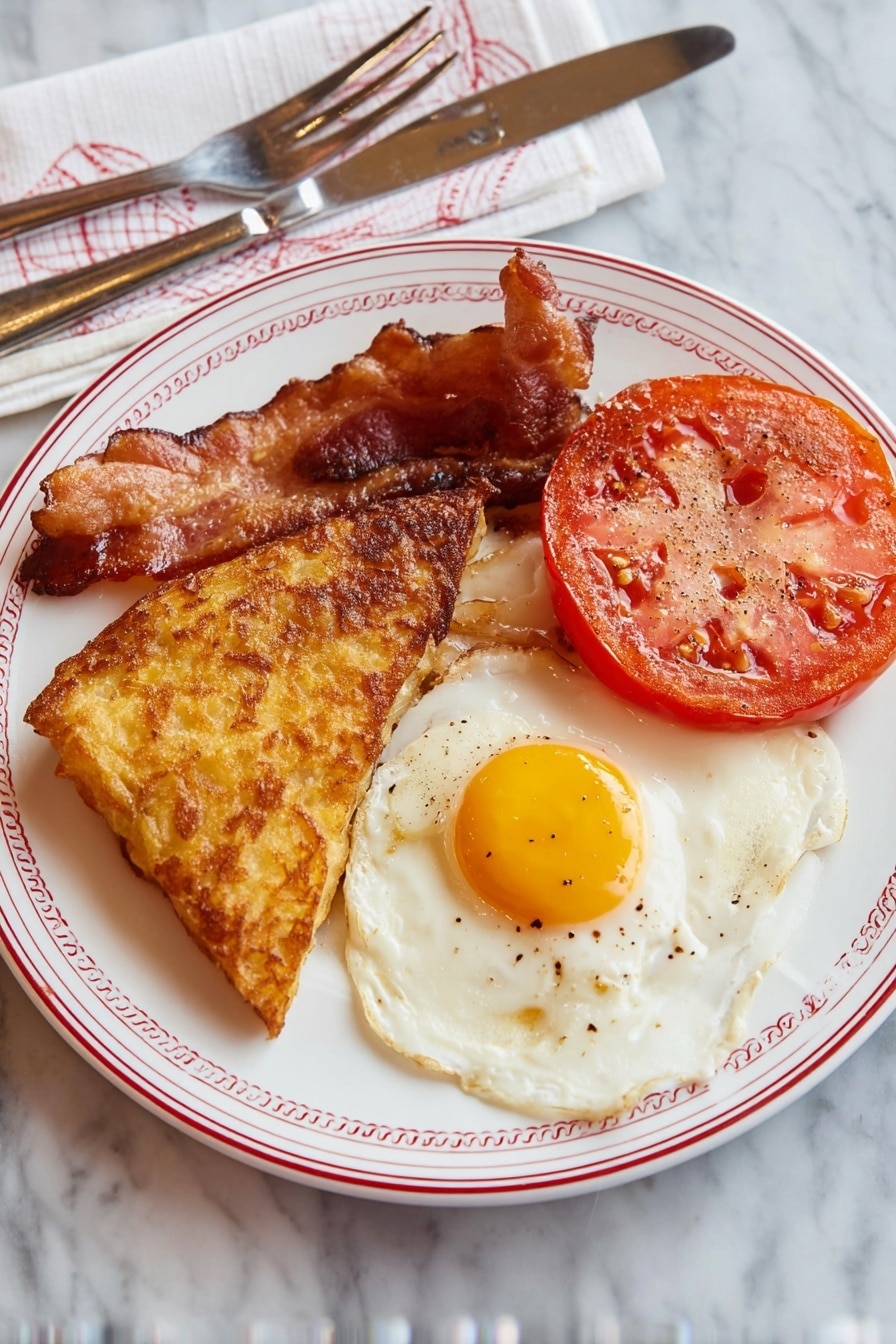
If you’re craving something comfortingly simple yet utterly satisfying, you’ve got to try this Irish Potato Farls Recipe. I absolutely love how these little potato cakes turn out—crispy on the outside, fluffy on the inside—and perfect for breakfast, brunch, or even a cozy dinner side. When I first tried making potato farls, I struggled to get the texture just right, but once I found this method, it was a game changer. Stick with me, and I’ll walk you through every step so you can nail them easily and impress anyone at your table!
Why You’ll Love This Recipe
- Simple Ingredients: You’ll find everything you need is probably already in your kitchen—potatoes, flour, butter, and seasoning.
- Authentic Texture: Steaming and passing the potatoes through a sieve creates that classic fluffy interior everyone raves about.
- Versatile Meal: These farls pair beautifully with breakfast eggs, stews, or even a dollop of butter and jam.
- Family Favorite: My family goes crazy for these and they always disappear fast—occasionally, I have to double the batch!

Ingredients You’ll Need
The ingredients for this Irish Potato Farls Recipe come together in a way that’s both traditional and foolproof. Using starchy potatoes is key for that fluffy texture, and the butter adds richness that makes the farls so satisfyingly golden.

- Potatoes: Go for starchy varieties like Russet, Maris Piper, or Roosters—they mash up beautifully.
- All-purpose flour: This helps bind the potatoes without weighing them down.
- Sea salt: Use good-quality sea salt to enhance the natural potato flavor.
- Black pepper: Adds a subtle warmth—don’t skip it!
- Butter: Both for mixing in and cooking—the butter gives that lovely golden crust and flavor.
Variations
While I stick to this classic Irish Potato Farls Recipe most often, I love experimenting a little now and then, especially to suit dietary needs or spice things up a bit. Feel free to make this your own!
- Gluten-Free Version: I tried swapping the flour for a gluten-free blend and it worked surprisingly well—just keep the dough a bit drier.
- Cheesy Potato Farls: Adding grated cheddar to the dough gives a lovely cheesy twist my family couldn’t get enough of.
- Herbed Farls: Fresh chives or parsley folded into the mix adds a nice pop of freshness and color.
How to Make Irish Potato Farls Recipe
Step 1: Prepare and Cook Potatoes
First off, peel and chop your potatoes into even chunks. Here’s a little trick: weigh them after chopping for accuracy—it makes a difference in the dough texture. Then, steam or boil your potatoes in a medium pot for about 20-25 minutes until they’re perfectly tender. You’ll know they’re done when a fork easily slides through without resistance.
Step 2: Drain and Mash
Once cooked, drain the potatoes and let them sit in a sieve over a bowl for 5 minutes to dry out slightly. This helps your farls be less wet and sticky. While still warm, press the potatoes through a sieve or rice them using a ricer or masher until light and fluffy. This step is crucial to avoid heavy or gluey farls—trust me, I learned this the hard way!
Step 3: Make the Dough
Add the flour, sea salt, black pepper, and melted butter into the fluffy potatoes. Stir gently until it forms a soft dough ball. Don’t overmix here—you want the dough just combined to keep it light inside.
Step 4: Shape and Cut
Turn your dough onto a lightly floured surface and press it into an 8-inch round disc, about ½ inch thick. Using a large knife, cut the disc into 6 equal farls (think of pie slices). This shape helps them cook evenly and look just like traditional Irish potato farls.
Step 5: Cook to Golden Perfection
Heat a generous knob of butter in a large frying pan over medium heat until it’s bubbling. Place your farls carefully in the pan and cook for about 5 minutes per side or until each side is beautifully golden brown and crisp. You’ll want them crispy enough to have a delightful crunch but still fluffy inside. Use a gentle touch when flipping to keep their shape intact.
Pro Tips for Making Irish Potato Farls Recipe
- Weigh After Peeling: I found weighing potatoes after peeling and chopping gives more precise dough — no dry or soggy farls!
- Don’t Skip Draining: Letting the cooked potatoes dry a bit before mashing helps avoid a mushy mess.
- Use Butter for Flavor and Crisp: Butter not only tastes amazing but helps you get that lovely golden crust you want.
- Flip Carefully: Use a wide spatula to gently flip; farls are delicate until fully cooked and crispy.
How to Serve Irish Potato Farls Recipe

Garnishes
I often top mine with a little extra butter while they’re still hot—can’t resist that melt-in-your-mouth richness! Sometimes I sprinkle chopped fresh chives or a pinch of flaky sea salt to elevate the flavors even more.
Side Dishes
These farls are a perfect match for a traditional Irish breakfast with eggs, sausages, and baked beans. For dinners, I love serving them alongside stews or a hearty vegetable soup—they soak up the sauce beautifully.
Creative Ways to Present
For something special, I’ve even cut the farls into smaller rounds after cooking and served them as bite-sized appetizers with smoked salmon and a dollop of sour cream. It’s such a crowd-pleaser at family gatherings!
Make Ahead and Storage
Storing Leftovers
If you’ve got leftovers (which sometimes happens if I’m lucky!), store them in an airtight container in the fridge for up to 3 days. I like to layer parchment paper between them to keep them from sticking.
Freezing
I’ve successfully frozen uncooked farls by laying them flat on a baking sheet and freezing until solid, then transferring to freezer bags. When frozen, they keep well for about 3 months and you can cook straight from frozen with a slightly longer frying time.
Reheating
To reheat, pop them in a hot pan with a little butter to revive that crispy crust—microwaving just won’t cut it here because you lose the lovely texture.
FAQs
-
Can I use a potato masher instead of a sieve or ricer?
Absolutely! While a sieve or ricer gives the lightest texture, a potato masher works fine if you mash the potatoes while they’re still hot and avoid overworking the dough.
-
What type of potatoes are best for this Irish Potato Farls Recipe?
Starchy potatoes like Russet, Maris Piper, or Roosters are ideal because they mash fluffy and hold together well when cooked into farls. Waxy potatoes can make the dough sticky and heavy.
-
Can I make these ahead of time?
Yes, you can prepare the dough a few hours in advance, refrigerate it, and cook the farls fresh when you’re ready. Just bring the dough back to room temperature before frying for the best results.
-
Are Irish Potato Farls gluten-free?
Traditional recipes use all-purpose flour, which contains gluten. However, you can experiment with gluten-free flour blends—just adjust the amount as needed to get the right dough consistency.
-
How do I keep my Irish Potato Farls from falling apart?
Make sure to dry the cooked potatoes well before mashing and don’t add too much flour, or the farls can become dense. Cooking with enough butter and careful flipping helps maintain their shape too.
Final Thoughts
Making this Irish Potato Farls Recipe feels like a comforting nod to old traditions, and I love sharing that feeling around my table. It’s one of those recipes that’s simple yet special, perfect for warming you from the inside out. If you’re looking for a hearty, soul-satisfying dish with minimal fuss but maximum flavor, give these farls a try—I promise, you’ll come back for more!
Print
Irish Potato Farls Recipe
- Prep Time: 30 minutes
- Cook Time: 10 minutes
- Total Time: 40 minutes
- Yield: 6 servings 1x
- Category: Breakfast
- Method: Frying
- Cuisine: Irish
Description
Authentic Irish Potato Farls are traditional Irish potato cakes made from mashed potatoes, flour, and butter, cooked in a skillet until golden and crispy on the outside while soft and fluffy inside. Perfect as a hearty breakfast or a comforting side dish.
Ingredients
Potatoes
- 4 cups (650g/1lb 7oz) peeled and chopped potatoes (Russet, Maris Piper, or Roosters)
Dry Ingredients
- ¾ cup (4oz/115g) all-purpose flour
- 1 ½ teaspoons sea salt
- ½ teaspoon black pepper
Wet Ingredients
- 2 tablespoons (1oz/28g) butter plus extra for cooking
Instructions
- Peel and Chop Potatoes: Peel the potatoes and chop them into cubes. Weigh them after chopping for accuracy according to the recipe.
- Cook Potatoes: Steam or boil the cubed potatoes in a medium pot until tender, which should take about 20-25 minutes.
- Drain and Dry: Remove the potatoes and place them in a sieve or colander over a bowl, allowing moisture to drain and potatoes to dry slightly for 5 minutes.
- Mash Potatoes: While still hot, pass the potatoes through a sieve, ricer, or mash them until light and fluffy to ensure smooth texture for the dough.
- Make Dough: Add the flour, sea salt, black pepper, and melted butter into the mashed potatoes. Stir and mix until a dough ball forms.
- Shape Farls: Turn the dough onto a lightly floured surface and flatten it into an 8-inch round disc. Use a large knife to cut the disc into 6 triangle-shaped pieces (farls).
- Cook Farls: Heat a large knob of butter in a frying pan or skillet over medium heat until bubbling. Place the farls in the pan and cook for 5 minutes or until golden brown and crisp on one side.
- Flip and Cook Other Side: Carefully flip the farls and cook for another 4-5 minutes until the other side is golden and crispy. The inside should stay soft and fluffy.
- Serve: Serve immediately while hot, as a part of traditional Irish breakfast or enjoy on their own.
Notes
- Ensure potatoes are still hot when mixing with flour for easier dough formation.
- You can use a potato ricer or masher if you don’t have a sieve for mashing.
- Cooking with butter gives a richer flavor and crispier texture, but you can use oil as a substitute.
- Serve farls with eggs, sausages, or as a snack with butter and jam.
- Leftover farls can be reheated in a pan or toaster for a quick snack.
Nutrition
- Serving Size: 1 farl (approximately 80g)
- Calories: 150 kcal
- Sugar: 1 g
- Sodium: 380 mg
- Fat: 5 g
- Saturated Fat: 3 g
- Unsaturated Fat: 2 g
- Trans Fat: 0 g
- Carbohydrates: 24 g
- Fiber: 2 g
- Protein: 3 g
- Cholesterol: 10 mg


Your email address will not be published. Required fields are marked *