
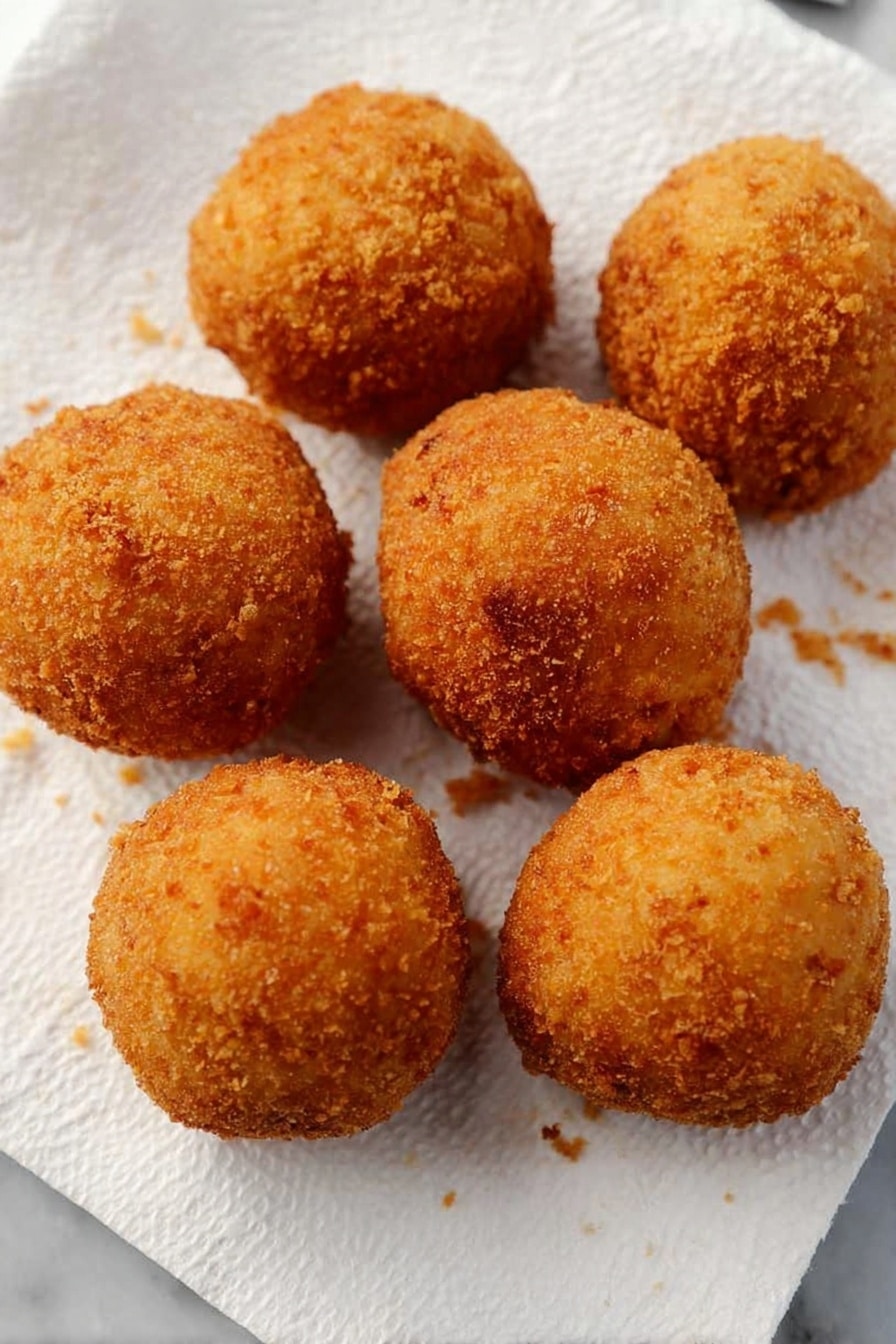
If you’ve ever fancied sinking your teeth into a crunchy, golden crust hugging a perfectly soft-boiled egg with rich, seasoned sausage meat – then you’re in for a treat with this Homemade Scotch Eggs Recipe. Trust me, this recipe is fan-freaking-tastic, and once you get the hang of it, these Scotch eggs will become your go-to snack for breakfasts, picnics, or even a cozy dinner. I remember the first time I nailed this recipe; the whole family went crazy! So let’s dive in and make these little crispy marvels right in your kitchen.
Why You’ll Love This Recipe
- Perfectly Soft Eggs: You get that beautiful runny yolk every time with my timing and cooling method.
- Juicy, Flavourful Filling: The sausage meat is seasoned just right with herbs and a sneaky pinch of mace that’s a game-changer.
- Super Crunchy Coating: Double-dipping in egg and panko breadcrumbs guarantees the crispiest crust you’ll want to savor.
- Impress Your Guests: These homemade gems look gourmet and taste like you spent hours in the kitchen (but they don’t).

Ingredients You’ll Need
I love how straightforward the ingredients are for this Homemade Scotch Eggs Recipe – real simple pantry and fresh ingredients that come together beautifully. When I shop, I always pick fresh, quality sausage meat and eggs to get the best results.
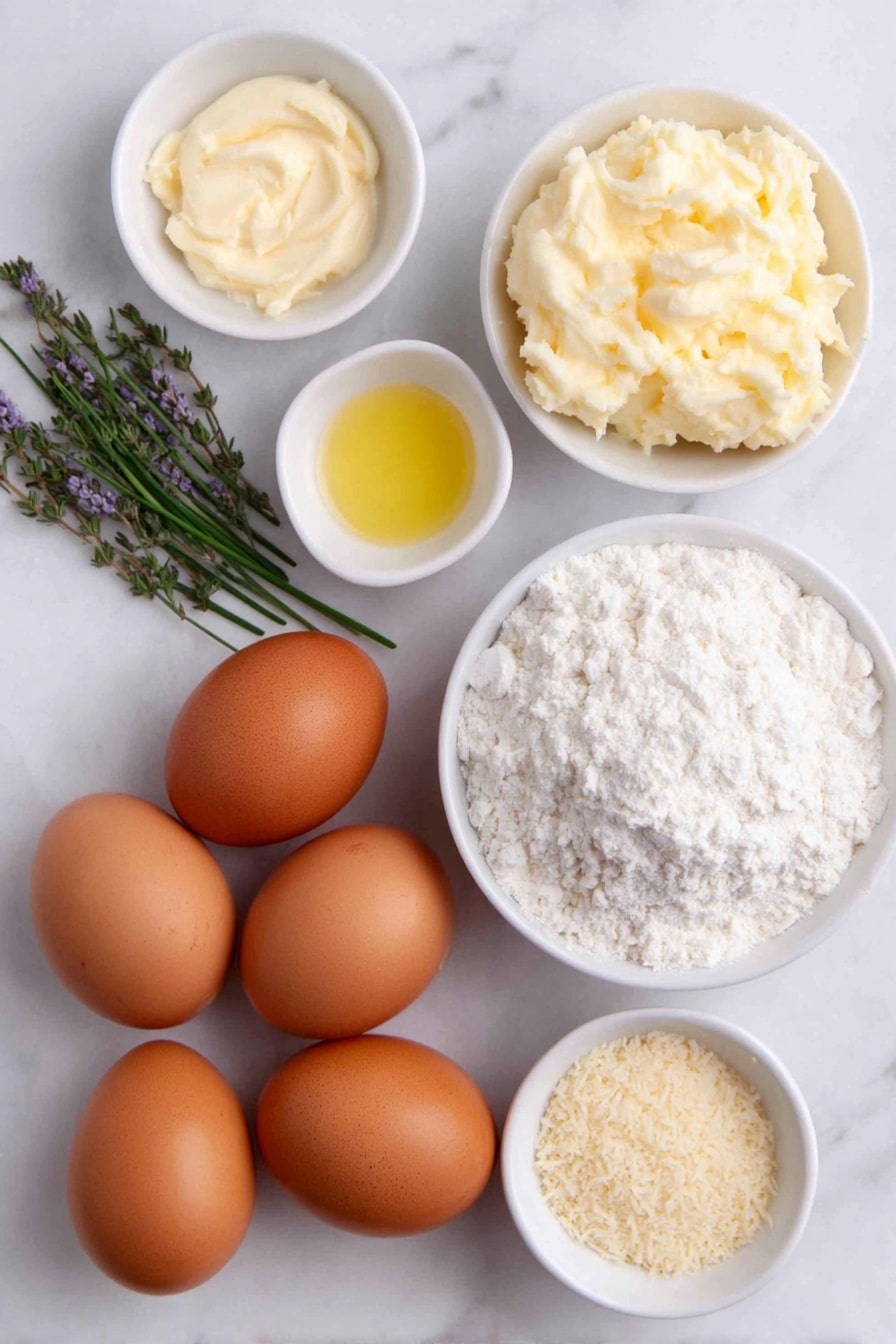
- Eggs: Fresh eggs give you that lovely soft center after boiling; I swear by medium eggs for balance.
- Plain Sausagemeat: Choose good-quality plain pork sausage meat so your spices and herbs shine through.
- Mixed Herbs (chives and thyme): Fresh or dried, these add a bright and earthy note that lifts the flavor.
- Ground Mace: Just a pinch gives a warm, fragrant depth—trust me, it’s a secret weapon!
- English Mustard: Adds a subtle tang and gentle heat, perfectly balancing the richness.
- Splash of Milk: Helps loosen the beaten egg, making it easier to coat evenly.
- Flour: For dusting—helps the meat stick and creates a base layer before egg dipping.
- Panko or Homemade Breadcrumbs: Use panko for the crunchiest crust or homemade if you prefer.
- Vegetable Oil: For frying—choose a neutral-flavored oil that handles heat well.
Variations
I love personalizing my Homemade Scotch Eggs Recipe to fit the mood or occasion, and you’ll find it’s super forgiving for swaps and tweaks, making it a versatile crowd-pleaser.
- Herb Variations: I sometimes swap thyme for sage or parsley for a fresher taste – it keeps things interesting!
- Meat Choices: Tried it with spicy chorizo meat for a punchier flavor, and it was a hit for game day snacks.
- Cooking Style: Baked versions work too if you want to skip frying; just spray with oil for a crispy finish.
- Dietary Mods: Use turkey sausage for a lighter option or gluten-free breadcrumbs to cater to allergies.
How to Make Homemade Scotch Eggs Recipe
Step 1: Perfectly Soft Boil the Eggs
Start by gently boiling six of the eggs. Cover them with cold water, bring to a boil, then turn down the heat and simmer for exactly five minutes. Timing is everything here! Once done, transfer the eggs immediately into a large bowl of iced water and leave them there for at least 10 minutes. This shock cools them quickly, making them easier to peel and guarantees that gorgeous soft center every time.
Step 2: Prepare the Sausage Meat Mixture
While your eggs cool, mix your sausage meat with the chopped herbs, ground mace, and English mustard in a bowl. Season it well and use your hands to combine everything thoroughly. I find it’s super helpful to get the herbs evenly spread and the flavors well blended by hand. Divide this mixture into six equal portions to wrap your eggs.
Step 3: Peel and Setup Dredging Station
Carefully peel those rested eggs without breaking the soft whites. Next, prepare three bowls: one with seasoned flour, one with the beaten eggs mixed with a splash of milk, and one with your breadcrumbs. This assembly line approach keeps things moving smoothly; it really speeds up the coating process when you’re in the groove.
Step 4: Wrap the Eggs in Sausage Meat
Here’s a little trick I discovered: put a piece of clingfilm on a floured surface, pat one meatball onto it and lightly flour the top. Then cover with another clingfilm square and roll the meat out to a disc big enough to cover an egg. Remove the top clingfilm, roll one peeled egg in flour, then center it on the meat. Lift the clingfilm edges and wrap the meat around the egg, smoothing it to an egg shape. This method keeps everything neat and your hands less sticky!
Step 5: Double Dip for Crispy Coating
Now for the crunch: dip each wrapped egg first in flour, then into the egg wash, followed by breadcrumbs, and repeat the egg wash and breadcrumbs once more. This double dip is the secret to that extra crispy, beautifully textured crust that everyone loves.
Step 6: Frying to Golden Perfection
Fill a large pan with vegetable oil about a third full and heat it to 325°F (170°C). I usually test by dropping in a small breadcrumb to see if it sizzles and turns golden without burning. Fry the eggs in batches, two at a time, for seven minutes until they’re crisp and golden all over. Drain on kitchen paper and serve warm. Trust me, that satisfying crunch plus rich savory filling is totally worth the wait!
Pro Tips for Making Homemade Scotch Eggs Recipe
- Egg Timing is Everything: I learned that exactly five minutes simmering gives you the perfect balance of set white and softly creamy yolk every time.
- Use Clingfilm for Neat Wrapping: Wrapping meat with clingfilm makes shaping so much easier and stops sausage sticking to your hands or the surface.
- Double Breadcrumb Dip for Crunch: Going through egg and breadcrumbs twice creates that signature crunchy crust that holds up even after reheating.
- Don’t Crowd the Pan: Fry in small batches to keep the oil temperature steady and ensure even, crispy cooking without soggy spots.
How to Serve Homemade Scotch Eggs Recipe
Garnishes
I love topping my Scotch eggs with a sprinkle of freshly chopped chives or parsley to add a pop of color and freshness. A dollop of English mustard or a tangy dipping sauce also makes an irresistible companion.
Side Dishes
Pair these with a crisp green salad or some roasted new potatoes for an easy, satisfying meal. For a picnic, I often bring along some pickles and a crunchy slaw – they balance the richness perfectly.
Creative Ways to Present
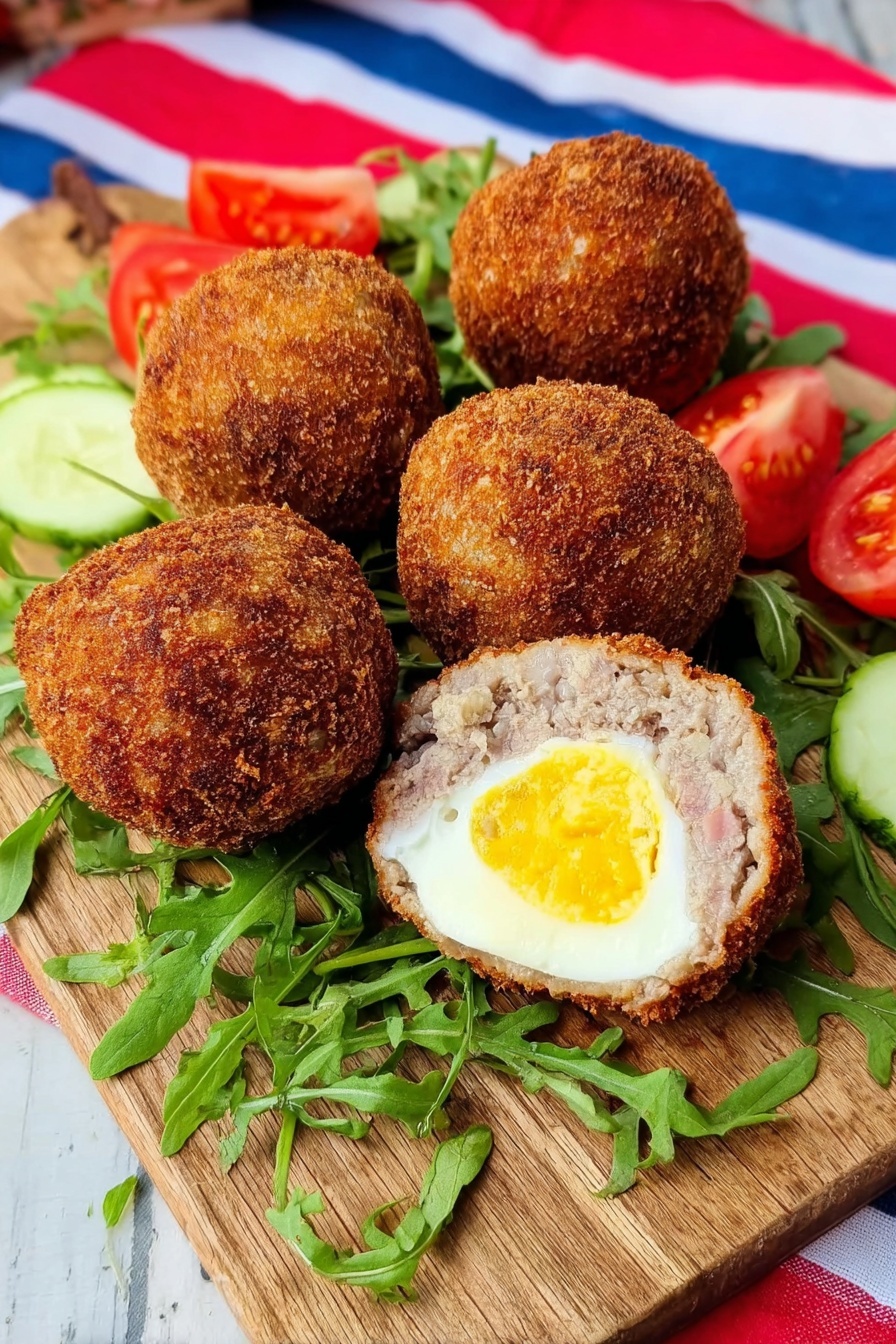
For special occasions, I slice the Scotch eggs in half to reveal the beautiful yolk and arrange them on a wooden board with rustic bread, charcuterie, and a selection of mustards. It’s a guaranteed crowd-pleaser and looks stunning on any table.
Make Ahead and Storage
Storing Leftovers
I usually keep leftover Scotch eggs in an airtight container in the fridge for up to two days. To keep the crust crisp, I place them on a wire rack rather than stacked up. They reheat wonderfully for a quick snack.
Freezing
These Scotch eggs freeze surprisingly well! I flash freeze them on a tray before transferring to a freezer bag. When you want them, just thaw overnight in the fridge and reheat in the oven to revive that crunch.
Reheating
To keep the crust crisp when reheating, pop your Scotch eggs into a preheated oven at 350°F (175°C) for about 10-15 minutes. Avoid microwaving as it tends to make the breadcrumb soggy and the sausage greasy.
FAQs
-
Can I make Scotch eggs without deep frying?
Absolutely! You can bake the wrapped eggs in a preheated oven at around 375°F (190°C) for 25-30 minutes. Just spray them lightly with oil and turn halfway through. The texture will be slightly less crispy but still delicious and a bit lighter.
-
How do you know when the eggs are perfectly cooked for Scotch eggs?
For soft but set whites with a slightly runny yolk, simmer the eggs for five minutes and immediately cool them in iced water. This cooling step stops cooking and makes peeling easier while giving you that luscious center everyone loves.
-
What’s the best way to prevent sausage meat from sticking when shaping?
Using clingfilm on your surface and hands helps immensely. Dust your hands and the meat with a little flour as you shape, and try not to handle the meat excessively to keep it from becoming sticky.
-
Can I use pre-boiled or leftover eggs?
You can, but fresh soft-boiled eggs tend to hold their shape better wrapped in sausage meat. Leftover hard-boiled eggs will work but won’t have that creamy center that makes Scotch eggs special.
Final Thoughts
This Homemade Scotch Eggs Recipe has been a little game changer in my kitchen. It’s somehow both comforting and impressive, perfect for when you want to wow your friends or just treat yourself to something special. Once you try making them at home, you’ll see why my family keeps asking for ‘just one more’. So go on, roll up your sleeves and enjoy making these crispy, flavour-packed Scotch eggs – I promise you’re going to love every bite!
Print
Homemade Scotch Eggs Recipe
- Prep Time: 20 minutes
- Cook Time: 7 minutes
- Total Time: 27 minutes
- Yield: 6 Scotch eggs 1x
- Category: Snack
- Method: Frying
- Cuisine: British
Description
These homemade Scotch eggs feature soft-boiled eggs wrapped in seasoned sausage meat, coated in a double breadcrumb layer, and deep-fried to golden perfection. They make a delicious snack or picnic treat, combining savory herbs with the satisfying crunch of panko breadcrumbs.
Ingredients
Eggs
- 8 eggs
Sausage Coating
- 1 lb (450 g) plain sausagemeat
- 3 tbsp chopped mixed herbs (chives and thyme recommended)
- A pinch of ground mace
- 1 tbsp English mustard
Coating and Frying
- Splash of milk
- 1/2 cup (50 g) flour
- 1 cup (100 g) panko or homemade breadcrumbs
- Vegetable oil (for frying)
Instructions
- Boil the eggs: Place six eggs into a pan, cover with cold water, and bring to a boil. Lower the heat and simmer for five minutes to achieve soft-boiled eggs. Immediately transfer them into a large bowl of iced water for at least 10 minutes to cool and stop cooking.
- Prepare the sausage mixture: In a bowl, combine the plain sausagemeat, chopped mixed herbs, ground mace, and English mustard. Season with salt and pepper, then mix thoroughly with your hands until well combined. Divide the mixture into six equal portions.
- Peel and prepare eggs for coating: Carefully peel the cooled soft-boiled eggs. In separate bowls, prepare the flour (seasoned), beaten raw eggs mixed with a splash of milk, and breadcrumbs, arranging them in an assembly line for easy coating.
- Shape the sausage meat around the eggs: Lay a square of clingfilm on your work surface and lightly dust it with flour. Place one meat portion in the center and dust with flour. Cover with another clingfilm square and roll out the meat until large enough to encase a peeled egg. Remove the top clingfilm.
- Encasing the egg: Roll one peeled egg in flour, then position it in the center of the rolled-out sausage meat. Lift the clingfilm sides around the egg to encase it evenly and smooth the meat with your hands to maintain an egg shape.
- Double coating: Dip each sausage-wrapped egg first in flour, then in beaten egg, followed by breadcrumbs. Repeat the dipping in beaten egg and breadcrumbs once more to create a double breadcrumb layer for an extra crunchy crust.
- Fry the Scotch eggs: Heat vegetable oil in a large pan to 325°F (170°C). Test the oil by dropping in a breadcrumb; it should sizzle and turn golden without burning. Fry the Scotch eggs a couple at a time for about seven minutes until crisp and golden all over.
- Drain and serve: Using a slotted spoon, remove the cooked Scotch eggs and drain them on kitchen paper to remove excess oil before serving warm or at room temperature.
Notes
- Use fresh herbs like chives and thyme for the best flavor in the sausage coating.
- Ensure oil is at the correct temperature to avoid greasy Scotch eggs or undercooked sausage.
- The double breadcrumb coating adds extra crunch and prevents oil absorption.
- Soft-boiled eggs give a creamy yolk that contrasts well with the crispy exterior.
- Can be served cold and make great picnic or party snacks.
Nutrition
- Serving Size: 1 Scotch egg
- Calories: 360
- Sugar: 1 g
- Sodium: 450 mg
- Fat: 25 g
- Saturated Fat: 9 g
- Unsaturated Fat: 14 g
- Trans Fat: 0.3 g
- Carbohydrates: 15 g
- Fiber: 1.5 g
- Protein: 18 g
- Cholesterol: 185 mg


Your email address will not be published. Required fields are marked *